By Georgina Shelley, 2025
Health and wellbeing
About this theme
This theme covers all aspects of physical and mental health and their research and protection. It is one of the eight universal themes which form our grantmaking framework and allow us to address every aspect of society. Fellows’ stories

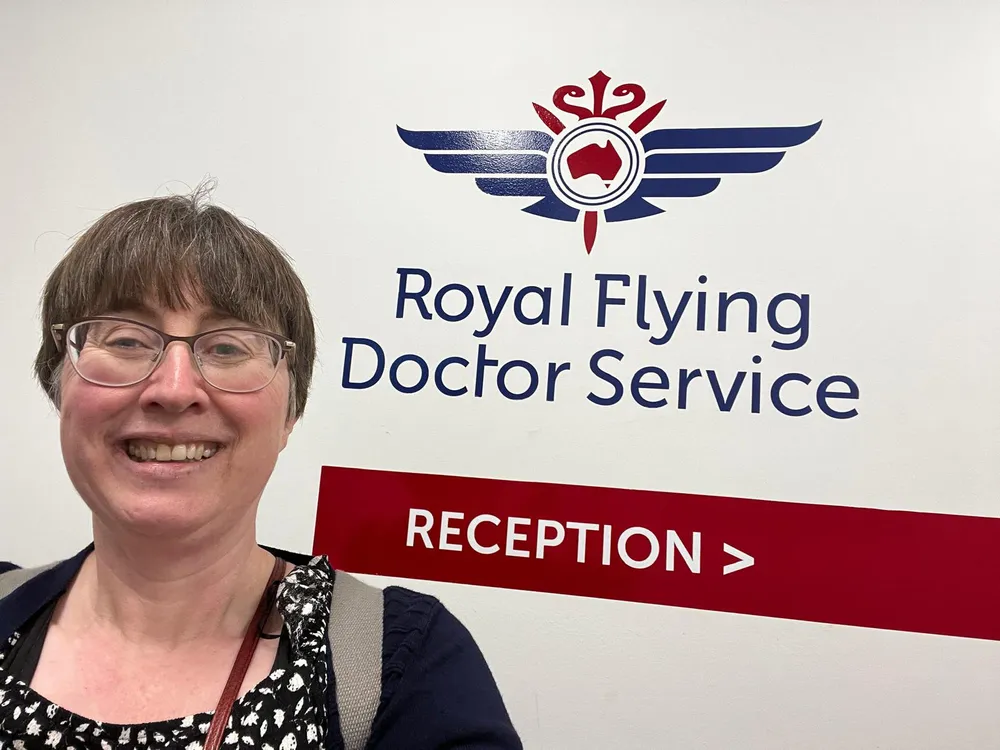
Rebecca Payne reflects on how her Churchill Fellowship challenged her expectations about the role of technology in rural healthcare. Drawing on visits to Australia and Alaska, she shares how simple, reliable technology, local healthcare workers, and well-connected services can improve access to care in remote communities. Rebecca explores how this learning could help shape rural healthcare in the UK, where technology must support – rather than replace – the people delivering care.
By Rebecca Payne, 2026

Maria Roberts (CF 2023) spoke at the National Suicide Prevention Alliance's conference in London, joined the UK and Ireland Suicide Prevention Roundtable, and delivered an online session with Discovering Liveability at the University of Edinburgh.
By Maria Roberts, 2026

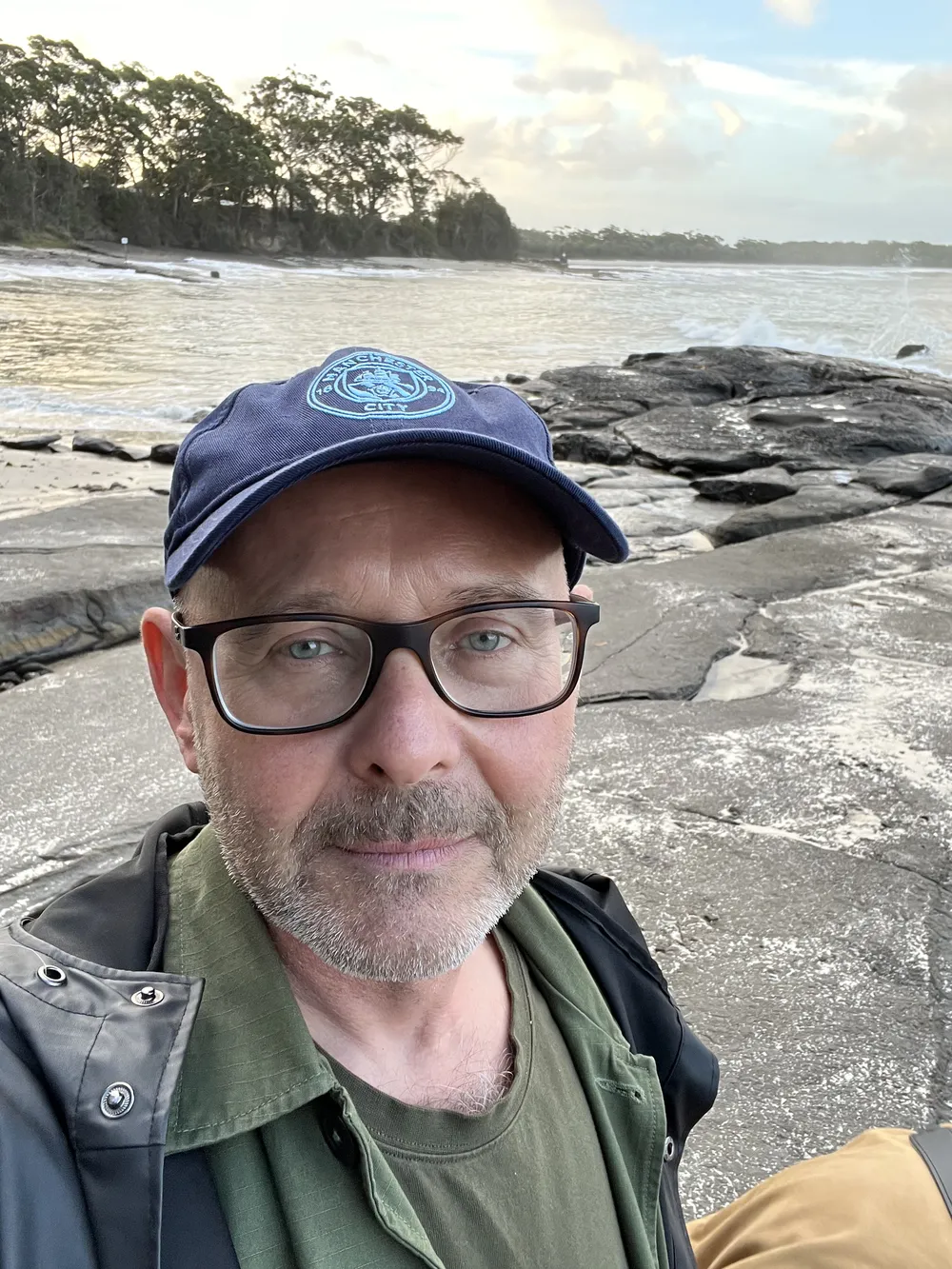
Stephen Watkins reflects on how his Fellowship helped strengthen the case for a national eating disorders strategy in the UK. Drawing on learning from Australia, New Zealand, and Sweden, he explores how nationally coordinated approaches can improve access to care and outcomes for people and families affected by eating disorders. Since returning, Stephen has shared his findings with ministers, policymakers, providers, and service user and carer organisations, helping to inform emerging national guidance on eating disorder support.
By Stephen Watkins, 2026


Nacressa Swan (CF 2006) produced Escaping Idi Amin, a two-part BBC documentary series exploring the experiences of Ugandan Asians expelled from Uganda in 1972.
By Nacressa Swan, 2026

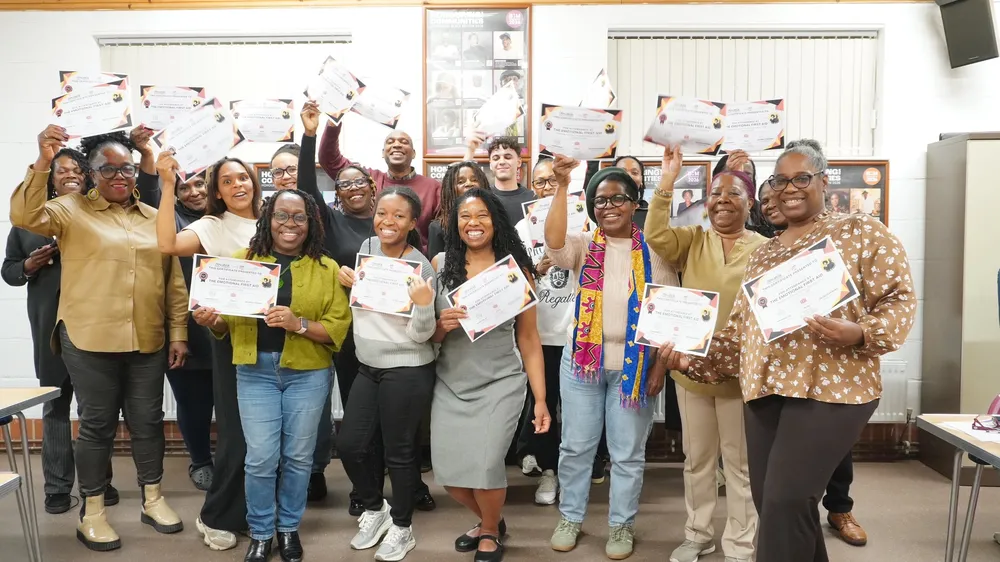
Erica McInnis (CF 2016) developed and delivered a five-week Emotional First Aid: African Psychology in Action course in North Manchester, in partnership with NHS Manchester and the Rainbow Centre, and was featured by the British Psychological Society for Black History Monthh.
By Erica McInnis, 2026

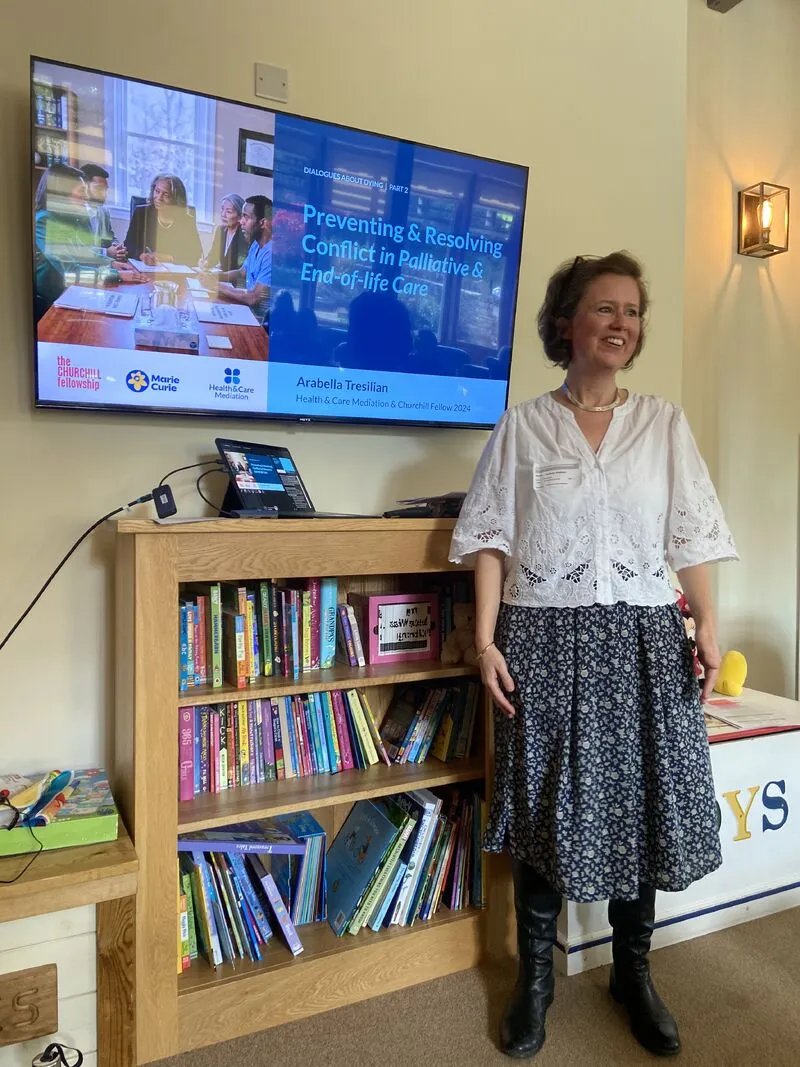
Arabella Tresilian (CF 2024) presented findings from her Fellowship to staff at Children's Hospice South West, exploring culturally responsive communication and conflict resolution in palliative and end-of-life care.
By Arabella Tresilian, 2026


Sarah Yardley (CF 2024) has developed Rewilding Healthcare, a visual, research-based framework at University College London. Drawing on research into palliative and mental healthcare, it explores how healthcare systems can be designed around relationships, trust and shared responsibility rather than control and fragmentation.
By Sarah Yardley, 2026

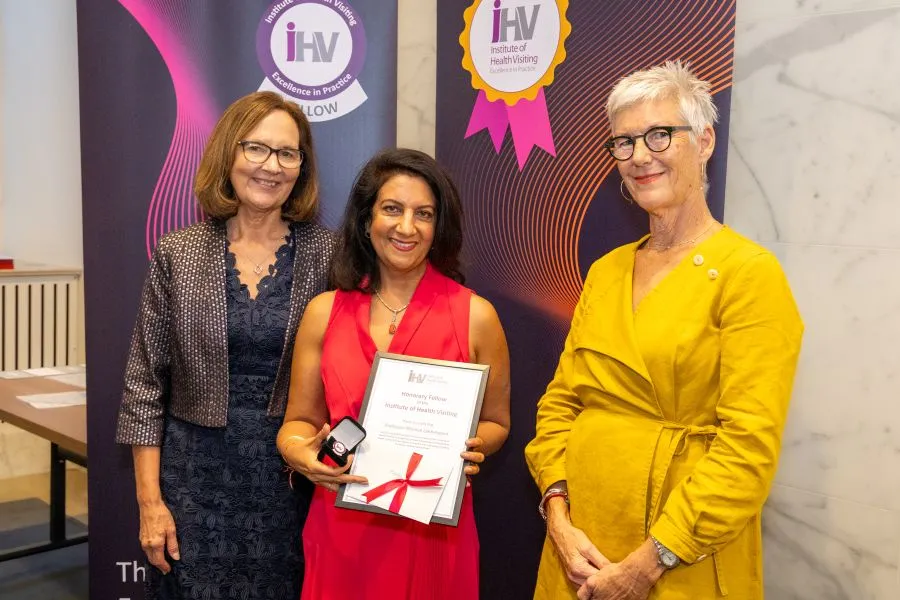
Monica Lakhanpaul (CF 2024) was awarded an Honorary Fellowship by the Institute of Health Visiting at its inaugural Health Visiting Awards.
By Monica Lakhanpaul, 2026

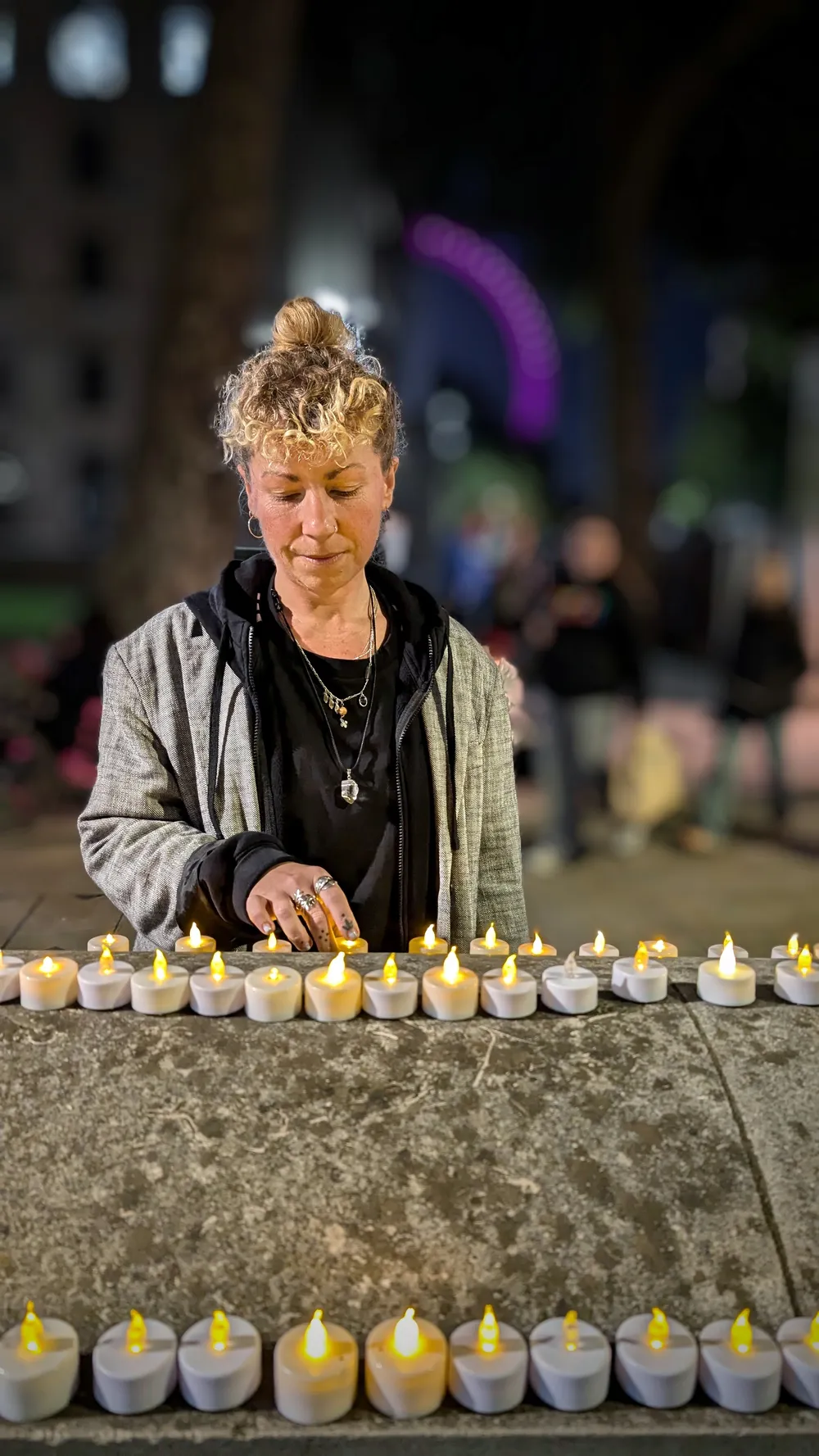
Gill Taylor reflects on how her Churchill Fellowship is exploring harm reduction approaches to help prevent deaths among people experiencing homelessness. Drawing on field research in Canada, she shares how peer-led services, overdose prevention support, and low-barrier access to care can help keep people safe while protecting dignity. Following World Homeless Day, Gill argues that preventing deaths requires a whole-system approach, with people with lived experience of homelessness and drug dependency at its heart.
By Gill Robin Taylor, 2026