World Homeless Day: Preventing homeless deaths through harm reduction - The Churchill Fellowship

World Homeless Day: Preventing homeless deaths through harm reduction

World Homeless Day is an important reminder that homelessness is not just about housing. It’s also about health, dignity, safety, and survival.

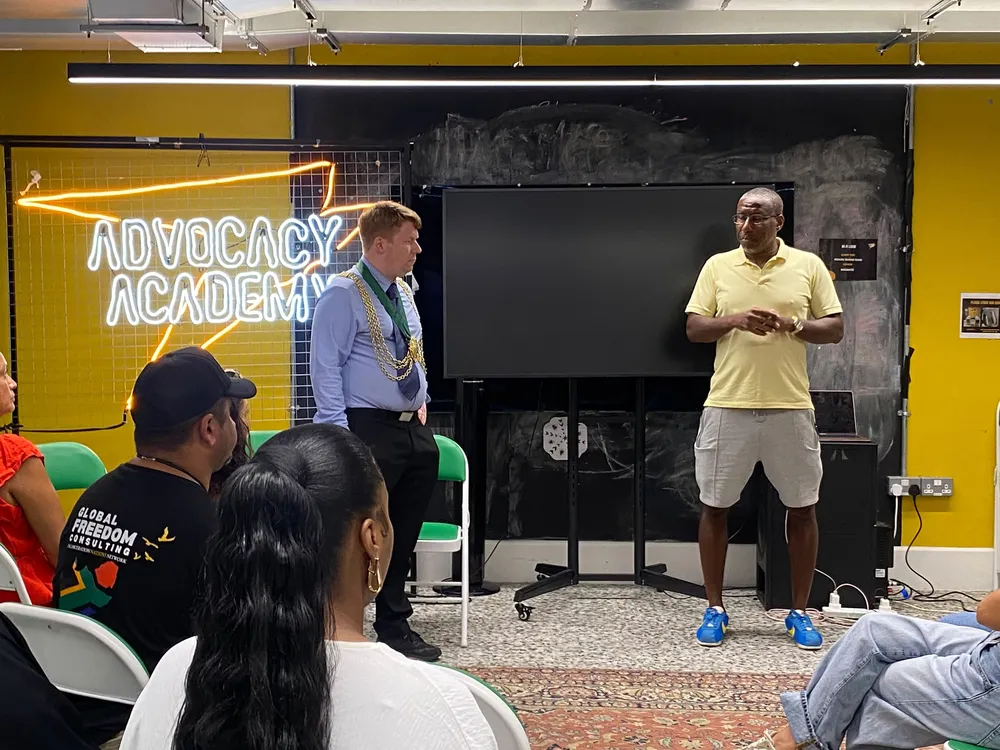
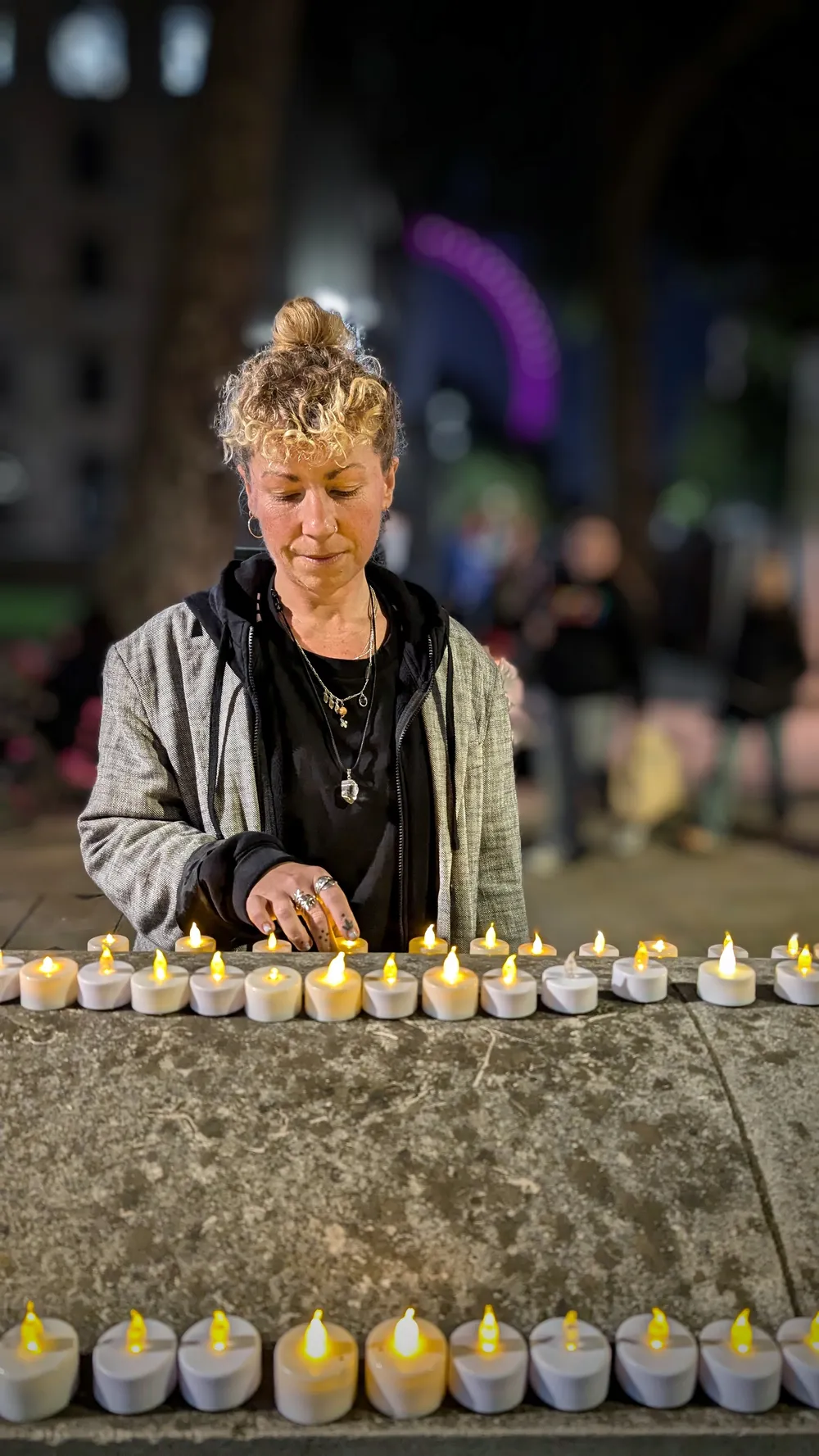
Gill Taylor at Museum of Homelessness Vigil. Download 'GILLTA~1'

Across the UK, people experiencing homelessness continue to die decades younger than the general population, often from preventable causes linked to poverty, trauma, substance use, poor health, and exclusion from support. The scale of these deaths should concern us all.

For the past year, my Churchill Fellowship has focused on a question that sits at the heart of this challenge: how can harm reduction approaches help prevent homeless deaths? Through field research in Canada, where progressive peer-led harm reduction approaches have been in place for over a decade, I have explored responses to the toxic drug crisis for people who experience long-term homelessness and drug dependency disorder.

The experience has reinforced something I’ve learned through more than twenty years working in homelessness and safeguarding: when people die while homeless, they have often suffered years of preventable harm beforehand. Hundreds of deaths occur every year in the UK where disadvantage, inequality, and exclusion overlap, and where professional systems struggle to respond in a coordinated, sensitive, and proactive way. Housing, health, adult social care, substance use services, safeguarding partnerships, and community organisations all play a role, yet too often they operate separately, and even at odds with each other.

One of the most striking lessons from my time in Canada earlier this year was the commitment to meeting people where they are. Harm reduction services recognise that people do not need to be abstinent, engaged with treatment, or free from complexity before they deserve support. Whether through street-based healthcare, overdose prevention initiatives or integrated outreach, the focus is on keeping people alive, reducing harm, and building trusting relationships. These approaches are grounded in evidence, but also in something very simple: the belief that every life has value.

"As someone said to me during my trip to Canada, “It’s not radical to keep people alive”. I continue this work through my Fellowship with this in mind."

This has important implications for safeguarding – the professional phrase for intervention in abuse and neglect impacting people at risk. Too often, adult safeguarding in England is triggered after a crisis has happened, with thresholds for help so high that people can be victimised and at risk for long periods before professionals respond. For people experiencing homelessness, a safeguarding approach that focuses solely on responding to incidents can miss opportunities to prevent harm much earlier.

We know from research, Safeguarding Adult Reviews and lived experience campaigning that stigma, service exclusion, and fragmented systems all exacerbate risk and make harm less visible. If we are serious about preventing deaths, adult safeguarding must become a shared, preventative responsibility that meets people where they are, including if they wish to continue to use drugs.

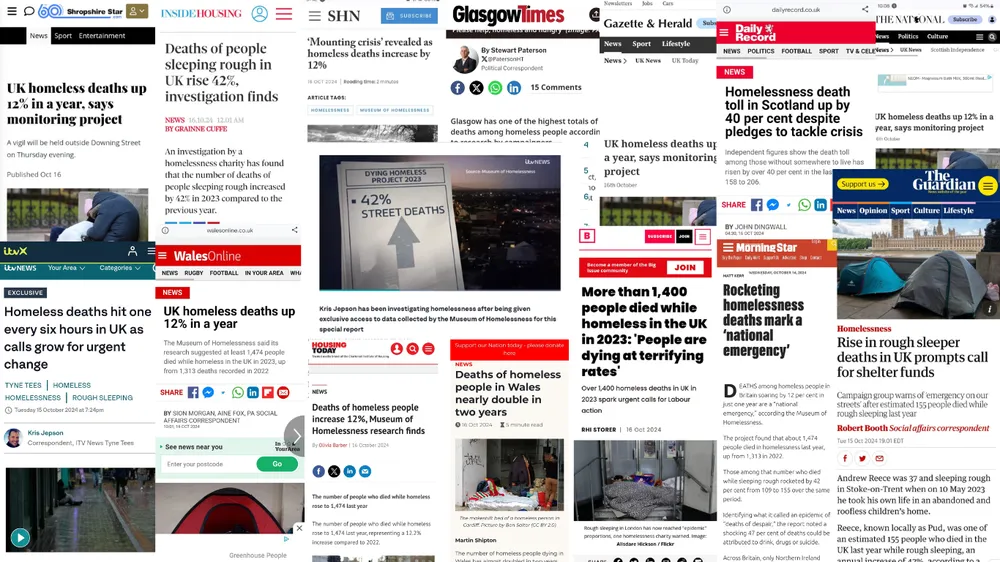
My work as a Safeguarding Adult Review author and with the Dying Homeless Project continually highlights the human cost of failing to act. In 2025, the Dying Homeless Project recorded 1,720 people who died while homeless in the UK, a figure that has increased every year since the project began. Every year, around 40% of these deaths are drug-related – far higher than in the general population. This points to missed opportunities to ensure that people experiencing homelessness have easy access to support that reduces harm, increases safety, and champions dignity. Importantly, these missed opportunities span the ‘whole system’, from the support provided by street-based outreach teams to local authority governance practices around homelessness and drug and alcohol support.

Press snapshot of the Dying Homeless Project. Download 'Press snapshot 2024 Dying Homeless Project'

What would a whole-system harm reduction approach look like? It would mean frontline homelessness practitioners being trained and supported to offer harm reduction. It would mean housing and health services working together, with individuals, to explore and respond to escalating risks in sensitive and person-led ways.

In a whole-system response, social work teams and Safeguarding Adult Boards would take a more preventative approach to financial abuse, exploitation, and self-neglect, working with people from an earlier stage recognising the cumulative impacts of homelessness on wellbeing, self-worth, and access to safety. Importantly, it would involve embedding people with lived experience in decision-making about how drug and alcohol funding is spent, how local services operate, and how public health messages around drug-related harms are developed.

Ultimately, preventing homeless deaths requires collective leadership and accountability, within which challenging stigma should be a clear focus and priority, including in national law and policy. A whole-system approach to preventing drug-related homeless deaths would be bold, accessible, and unafraid to champion people who are so often blamed for their own suffering.

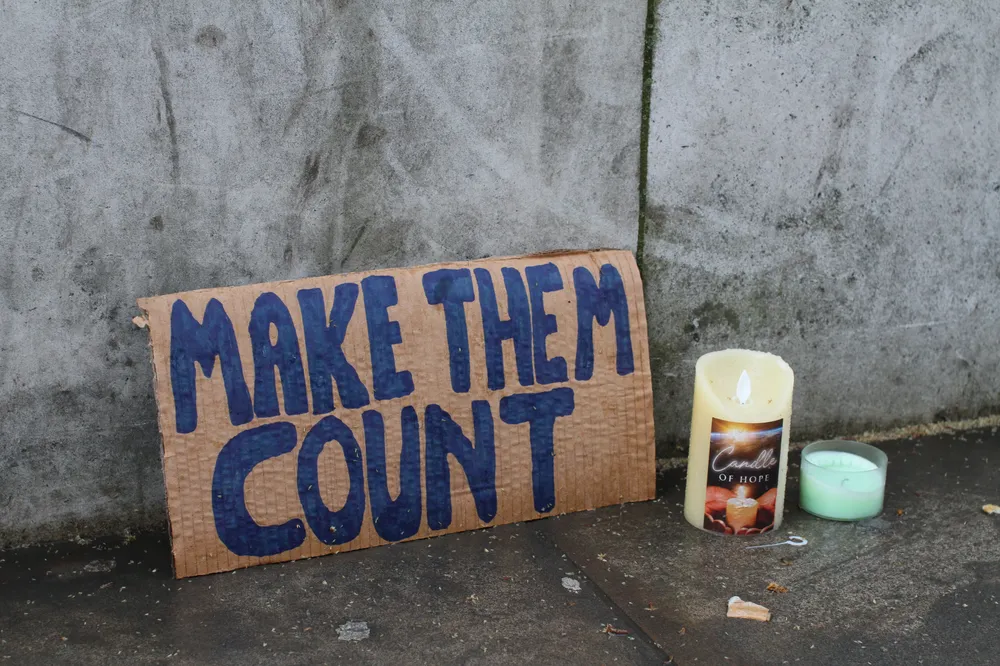
Museum of Homelessness Vigil 2023. Download 'Museum of Homelessness Vigil 2023.'

As my Fellowship continues, I hope to build on the learning from Canada and contribute to the growing conversation about how we can better safeguard people experiencing homelessness and drug dependency. It has been a pleasure to begin discussions with central government colleagues and pioneering grassroots organisations about how to transform my learning into useful tools for local and national action. The solutions already exist, and they provide evidence of the crucial role of overdose prevention support, peer support, and low-barrier rapid access to a wider range of help. The challenge in the UK is creating the conditions for this to flourish, through bold policy that draws pragmatically on evidence, not on archaic attitudes that push people further away from safety.

Following World Homeless Day, I want to honour the 1,720 people who died while homeless in the UK last year and make a call to action to prevent future deaths through a commitment to harm reduction. Doing this requires building whole-system approaches, with people with lived experience of homelessness and drug dependency at their heart.

As someone said to me during my trip to Canada, “It’s not radical to keep people alive”. I continue this work through my Fellowship with this in mind.

Disclaimer

The views and opinions expressed by any Fellow are those of the Fellow and not of the Churchill Fellowship or its partners, which have no responsibility or liability for any part of them.

Related

Blogs & conversations

Looking abroad for solutions

Andrew Morris reflects on how his experience as an IPP prisoner shaped his commitment to criminal justice reform and led to his Churchill Fellowship. Travelling to Norway and New Zealand, he will explore rehabilitation-focused and restorative justice systems, looking at what becomes possible when justice is built around the belief that people can change. Through his work with New Wave Trust and wider policy engagement, he hopes to bring back practical learning that can support reform in the UK.

By Andrew Morris,

Blogs & conversations

In conversation with Ehinor Otaigbe: Protecting children by helping mothers escape abuse

We spoke to Ehinor Otaigbe MBE about how her Churchill Fellowship is shaping her work to support African women and children affected by domestic abuse. Drawing on her own experience, her work through Wonderfully Made Woman, and learning from organisations in Nigeria, Atlanta, and New York, Ehinor reflects on why children’s trauma must not be treated as an afterthought in domestic abuse support. She shares how her Fellowship is helping her shift conversations in the UK, working with faith and community leaders to support women and children to heal and move forward.

By Ehinor Otaigbe,

Blogs & conversations

Beyond shelter: a different model for tackling homelessness

Ella Hancock reflects on how her Fellowship explored whether shared housing could offer more choice, dignity, and belonging for people at risk of homelessness. Drawing on visits to cohousing communities in the Netherlands, Sweden, and the US, she shares how shared spaces, community-led models, and resident agency can help reduce isolation and create more supportive places to live. As the housing crisis deepens, Ella argues that the strongest ideas from cohousing could help shape more affordable, inclusive housing in the UK.

By Ella Hancock,

Blogs & conversations

Building protection around children with experience of care

Through the first leg of his Fellowship in the USA, Grant Trainer explored what it means to protect and support children with experience of care. Drawing on learning from organisations in Albany, New York City, Brooklyn, and Seattle, he reflects on approaches that place children’s identity, dignity, and relationships at the heart of protection. He is now bringing this learning back to Scotland, where it is shaping his research into policing, care experience, and trauma-informed support, ahead of the next stage of his Fellowship in New Zealand.

By Grant Trainer,

Newsletter Sign Up