It takes a village: trauma-responsive communities are pivotal to addressing youth violence - The Churchill Fellowship

It takes a village: trauma-responsive communities are pivotal to addressing youth violence

Another young person stabbed to death. For too long, our communities have focused on asking, "Why are all these children killing each other? What is wrong with them?", placing the blame on young people. My Churchill Fellowship set out to learn from countries asking something better: "What happened to these young people?" and, just as importantly, "What are we going to do about it?"

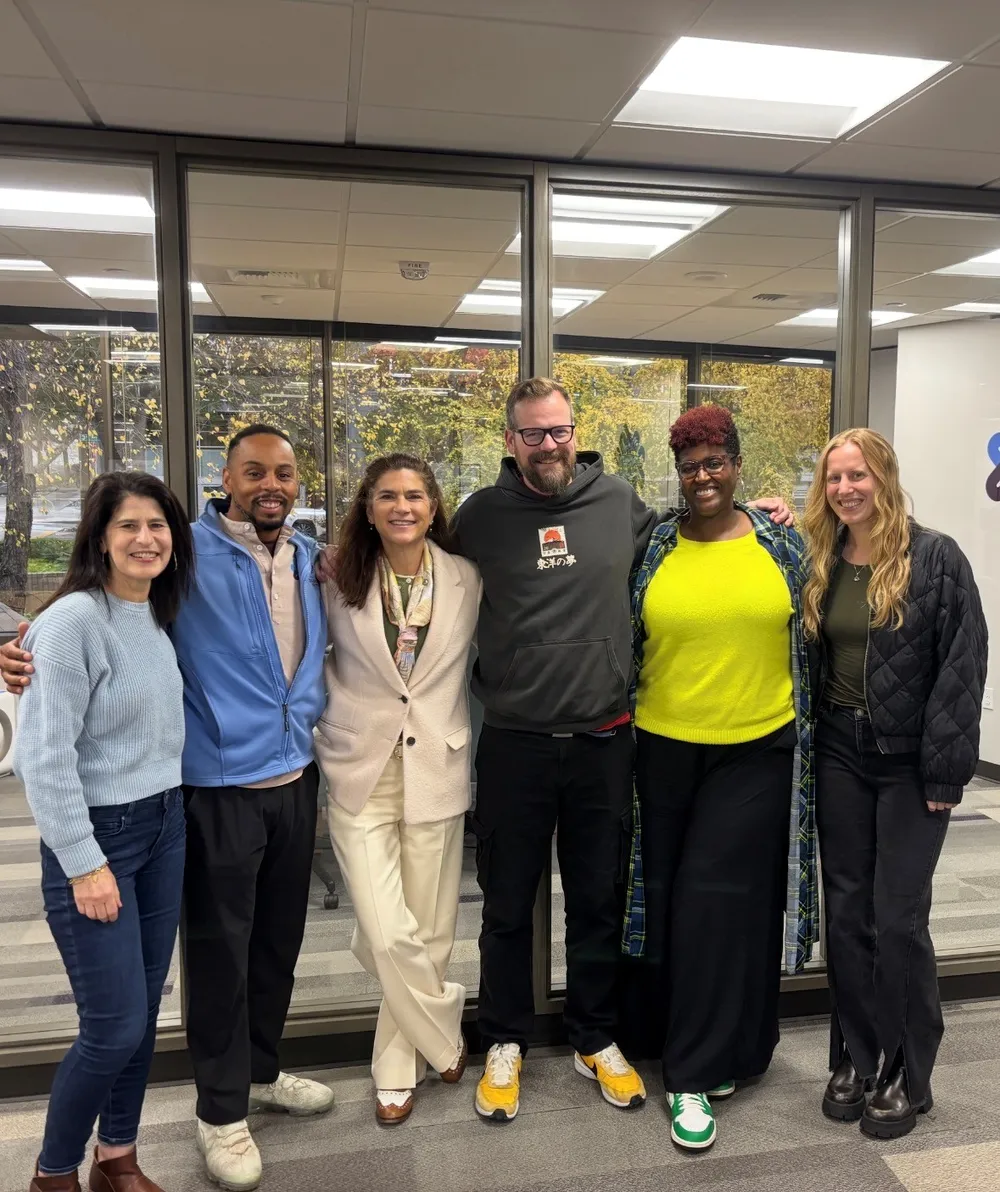
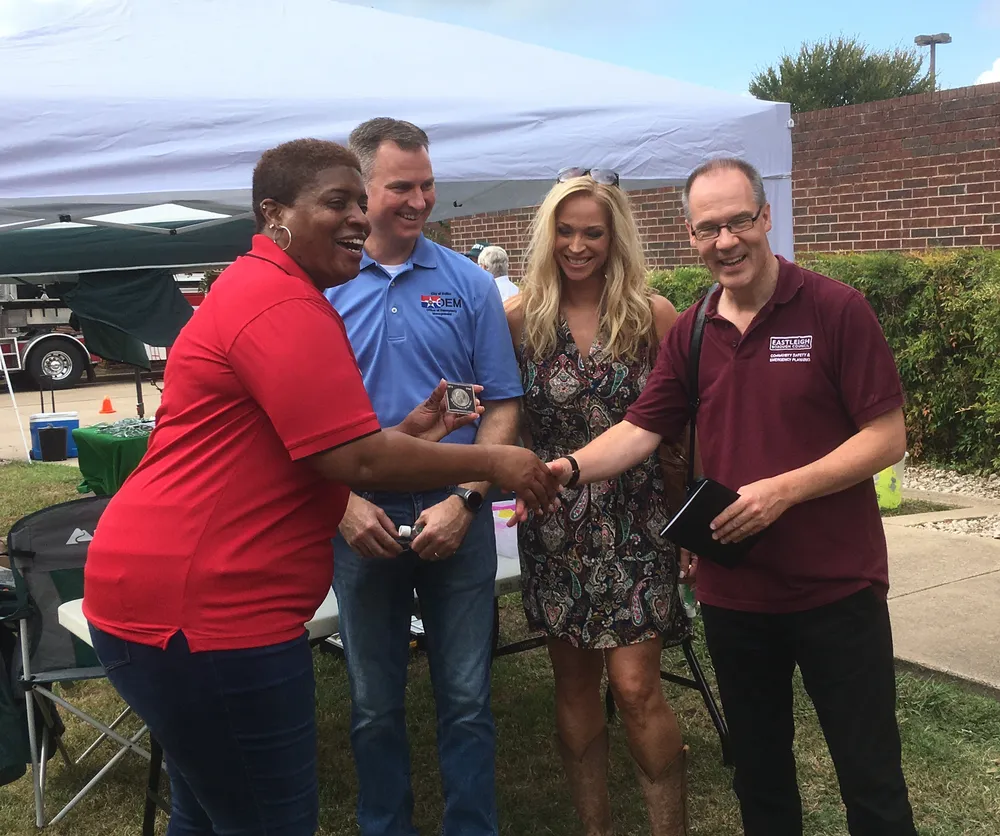
With the team at the Family Practice & Counselling Network, Philadelphia, Pennsylvania, USA. Download 'Ruth Oshikanlu blog image 1'

This work began when, while leading a young people's health and wellbeing service, I learned that a 15-year-old boy already known to our partner agencies had been fatally stabbed. He was not invisible to the system; our knowledge of him had simply not been enough to keep him alive.

As the mother of a Black teenage son, I could not look away. Youth violence, I became convinced, is not first and foremost a criminal justice problem. It is a public health and trauma crisis hidden in plain sight. It is a failure of our collective system, of our village.

With the support of the Churchill Fellowship and the Burdett Trust for Nursing, I travelled to Richmond, San Francisco, Philadelphia, and New York City in the United States, and to Sydney, Melbourne, and Palm Island in Australia, to learn from systems further along this road. I sat with police officers, nurses, teachers, psychologists, community healers, young people, families, and Indigenous Elders, asking what genuinely works, for whom, and why.

Several themes run through my Fellowship report.

"My immediate priority now is to build on my work in contextual safeguarding and establish a Trauma-Responsive Community Network in my local borough."

Change requires leadership. In every high-functioning organisation I encountered, leaders had committed to trauma responsiveness as an organisational philosophy, modelling the openness they asked of their teams.

Prevention is non-negotiable. The most effective systems invested upstream – in families, schools, and communities – long before crisis. The cost of inaction far exceeds the cost of early, relational, and responsive care.

We cannot pour from empty cups. A traumatised workforce cannot deliver trauma-responsive care. Where I saw reflective supervision, peer support, and genuine attention to staff wellbeing, I also saw better retention, stronger cultures, and safer practice. Secondary trauma is a systemic responsibility, not a personal failing.

Healing belongs to communities. The most powerful programmes were built with people, centring those with lived experience as paid experts and leaders, rather than as an afterthought.

Equity and cultural safety are the foundations. As colleagues in California put it, “If it is not racially just, it is not trauma-informed.” Racism is itself a source of toxic stress. Any system that refuses to confront how it harms racially minoritised communities will continue to re-traumatise the very people it claims to serve.

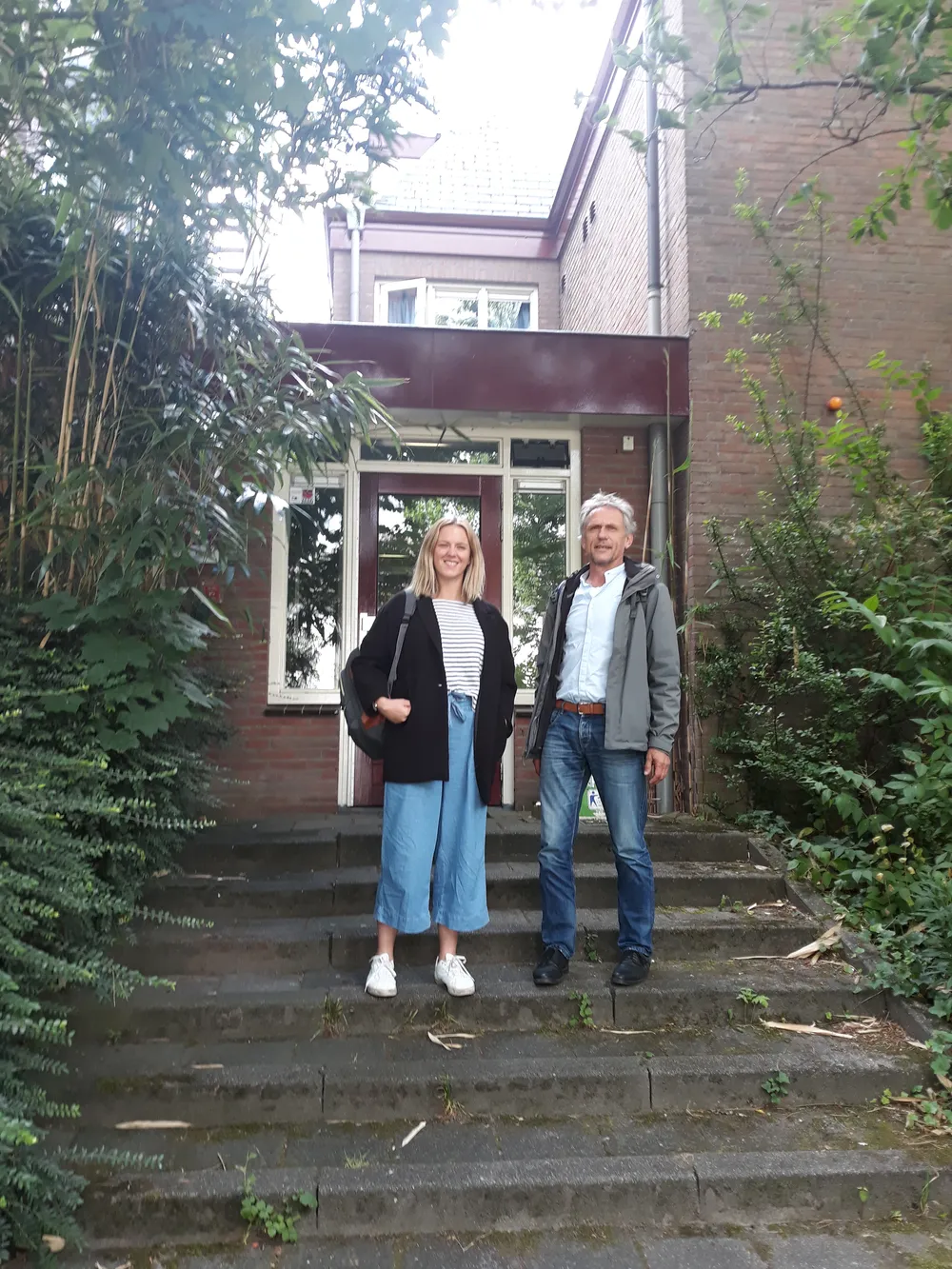
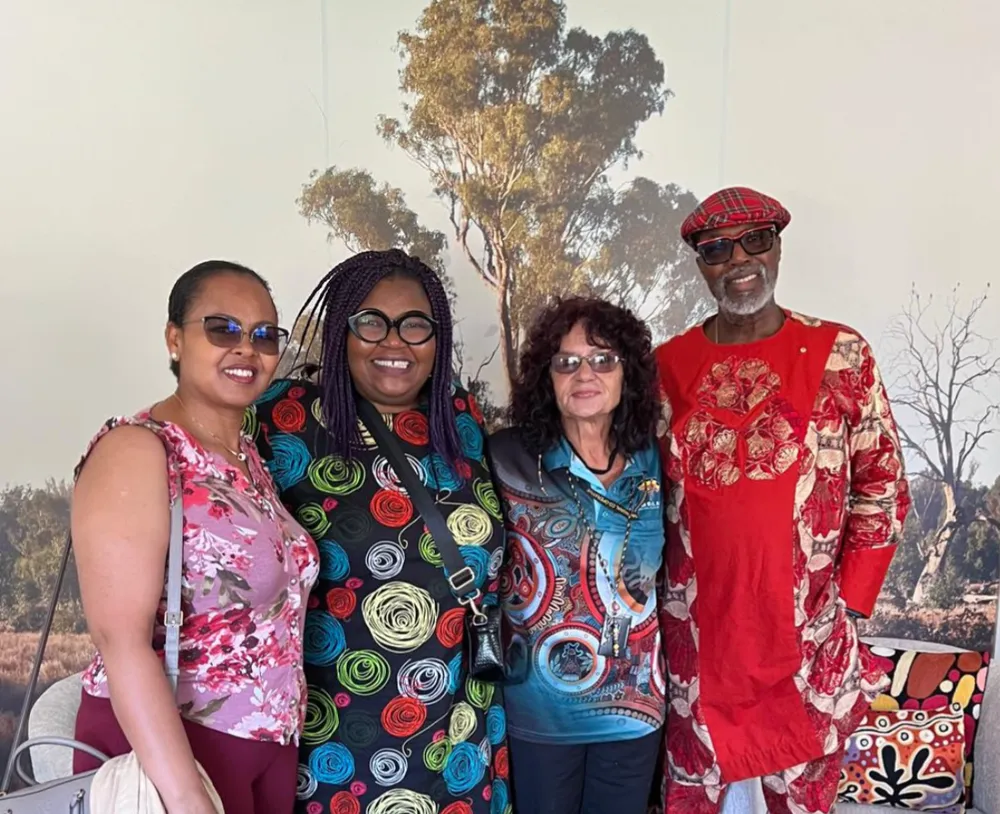
Visiting the Rumbalara Aboriginal Cooperative, Mooroopna, Melbourne, Australia. Download 'Ruth Oshikanlu blog image 2'

In Richmond, practitioners spoke honestly about its history as a centre of enslavement; in Australia, First Nations scholars and Elders taught me what culturally safe, community-led healing truly looks like. It takes a village to raise a child. Trauma may sit at the roots, but connection, community, and care are the branches that allow a young person to grow.

My immediate priority now is to build on my work in contextual safeguarding and establish a Trauma-Responsive Community Network in my local borough. It would bring together professionals, youth and criminal justice systems, and voluntary, community, and faith leaders who work with children and young people to create a shared language, stronger relationships, and a cross-sector commitment to trauma-responsive practice. Modelled on the networks I witnessed abroad, the aim would be to grow this approach area by area, sharing the learning through publications, seminars, and conferences.

We already know enough to act. The challenge now is courage and collective will. I intend to keep building both.

Disclaimer

The views and opinions expressed by any Fellow are those of the Fellow and not of the Churchill Fellowship or its partners, which have no responsibility or liability for any part of them.

Related

Blogs & conversations

In conversation with Melvin Hartley: Harnessing the power of spontaneous volunteers

We spoke to Melvin Hartley about how his Churchill Fellowship helped him put spontaneous volunteering into practice during the Covid pandemic and beyond. After travelling to the USA to explore how volunteers are organised in response to disasters, Melvin returned to the UK just as lockdown began and used his learning to coordinate community support in Hampshire. His Fellowship also helped shape HYPER (Hampshire Young People’s Emergency Response), showing how older teenagers can play an active role in emergency response.

By Melvin Hartley,

Blogs & conversations

In conversation with Natasha Cox: Learning leads to new creative Saturday school for Black boys

We spoke to Natasha Cox about how her Churchill Fellowship helped shape the next stage of Actively SeeK.I.N.G, the CIC she founded to support Black boys through creative arts. Drawing on learning from schools in the USA, Ghana, and the Caribbean, Natasha has launched the House of K.I.N.G.s Saturday School. She reflects on how the Fellowship deepened her work, opened new doors, and helped turn her research into practical support for young people in East London.

By Natasha Cox,

Blogs & conversations

Following curiosity towards lasting change

Following her Fellowship across Australia, New Zealand, and Canada, Clare Holdsworth reflects on how paid lived-experience roles can support care-experienced young people to shape services, policy, and practice. Drawing on conversations with organisations, professionals, and young people, she explores what it takes to make these roles psychologically safe, meaningful, and supportive of long-term careers. She is now sharing this learning in Sheffield, using curiosity as a way to ask better questions with young people, not just about them.

By Clare Holdsworth,

Blogs & conversations

In conversation with Ali Zafar: Redefining financial literacy and shaping policy

We spoke to Ali Zafar about how his Fellowship is shaping new approaches to financial education in the UK. After already founding LifeSmart, Ali used his Fellowship to explore why financial literacy remains low, learning from systems in Singapore, Vietnam, and Bali. His research has led to a new framework for understanding how financial capability develops, and has already informed updates to his work and contributions to UK policy discussions. Ali is now finalising his report and developing resources to share his findings across government, charities, and the private sector.

By Ali Zafar,

Newsletter Sign Up