Building together: rethinking teacher wellbeing and career sustainability - The Churchill Fellowship

Building together: rethinking teacher wellbeing and career sustainability

In May 2025, I was awarded a Churchill Fellowship, marking the beginning of a learning journey that would take me beyond familiar educational contexts and challenge long-held assumptions about careers, wellbeing, and what makes an education system work well.

With funding secured, I travelled to Ghana in July 2025 to begin the overseas learning phase of my Fellowship. My focus was on listening to teachers, understanding their career pathways, and exploring how wellbeing is experienced and sustained in a Global South context.

At the heart of my Fellowship was a concern shared by educators worldwide: teacher wellbeing. In many Western education systems, careers are often framed as individual journeys. Progression can feel competitive and deeply personal, with success and struggle experienced largely alone. While such systems offer structure and opportunity, they can also contribute to isolation, burnout, and a sense that responsibility for wellbeing sits solely with the individual teacher.

Across my conversations with teachers, career sustainability emerged not as a separate goal, but as a natural byproduct of teacher wellbeing – shaped by the conditions in which teachers are supported, valued, and able to thrive.

Ghana presented a very different context. From the outset, I spent time connecting with teachers in both urban and rural communities, listening to their stories and learning about the realities of their professional lives. Differences in culture, economy, climate, and resources were immediately visible, but so too were the strengths embedded within communities. Rather than approaching the work through a Western lens, I quickly realised the importance of pausing, observing, and learning from the context itself.

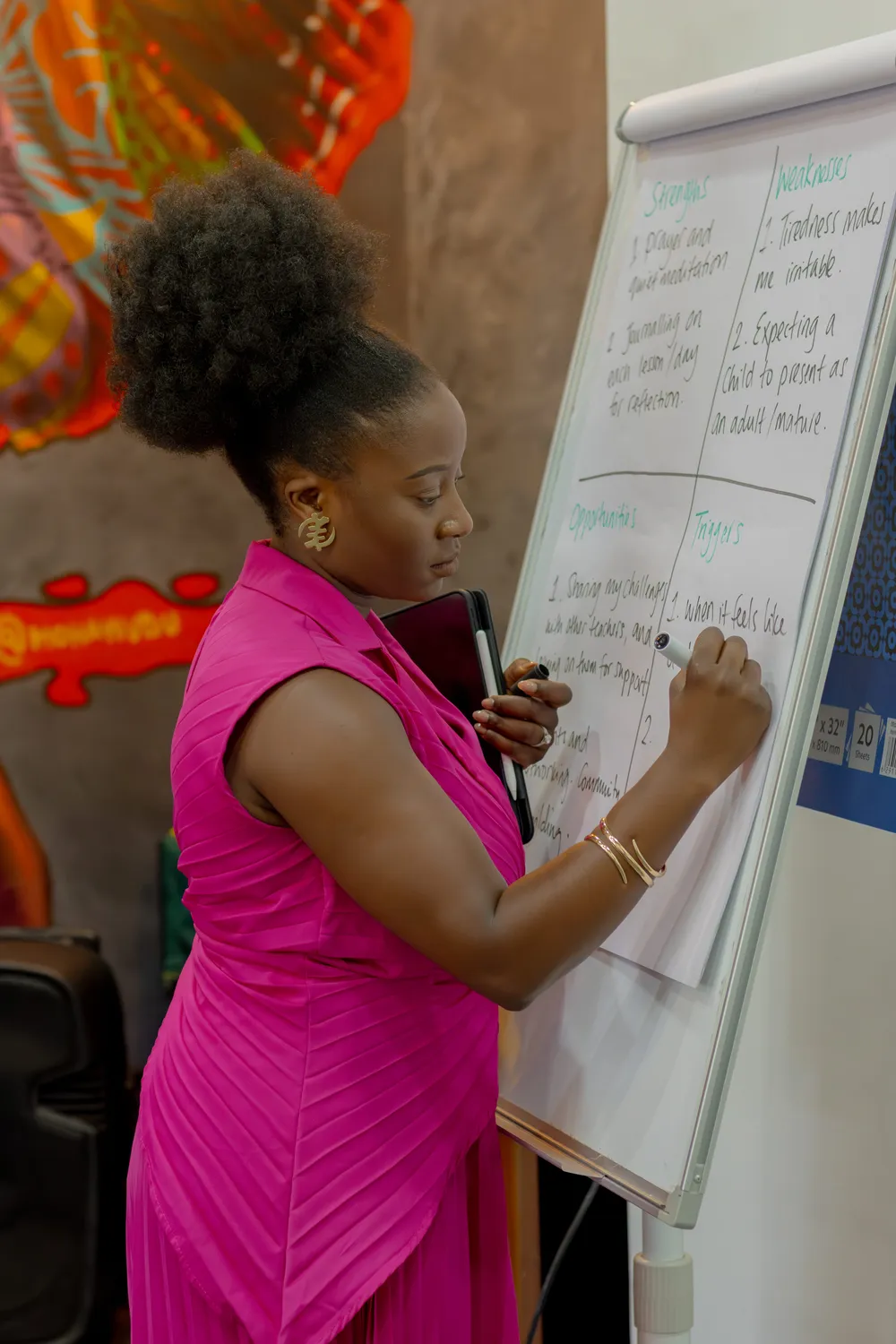
What stood out most to me was how teachers navigated significant challenges through collective effort. In settings where resources were limited, teachers gathered, shared materials, pooled knowledge, and worked together to create solutions for their students and schools. Career pathways were not experienced as solitary pursuits, but as journeys held within community networks. Professional survival and growth were frequently collective acts rather than individual achievements.

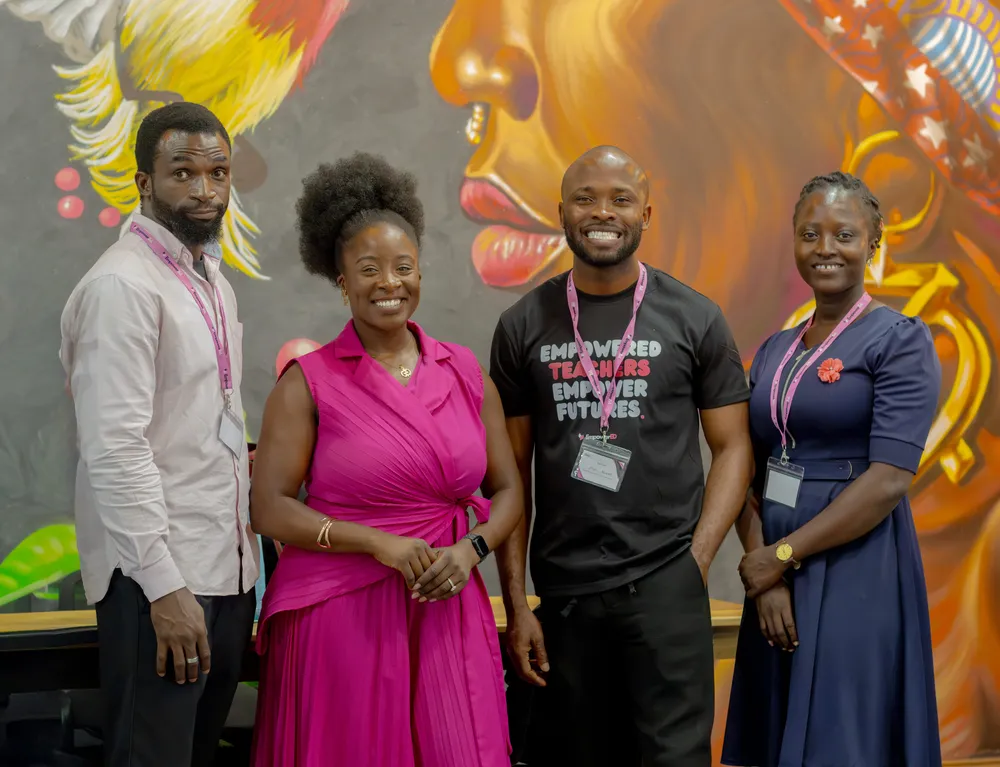
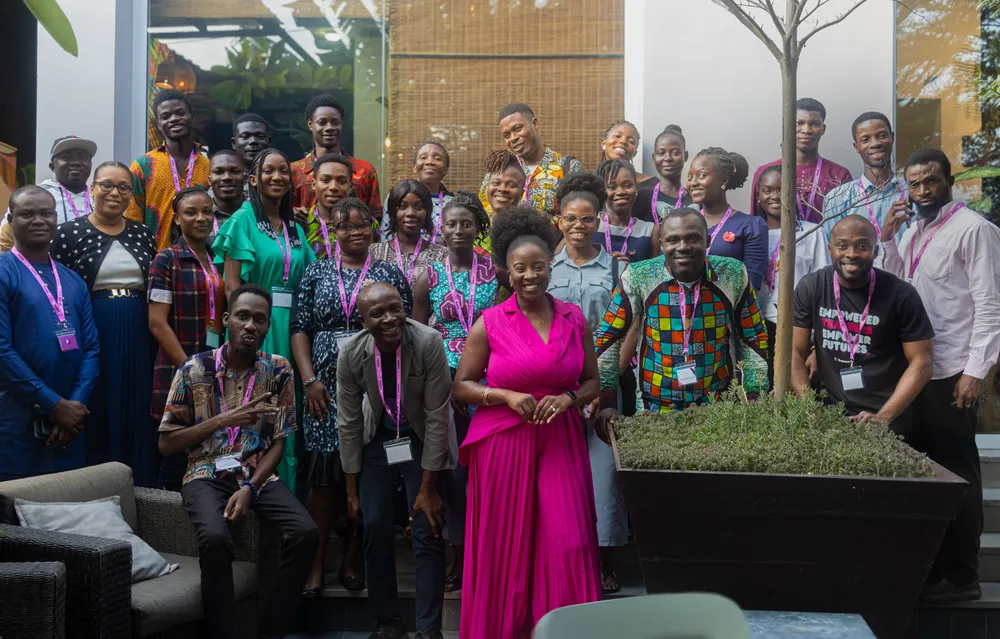
One particularly formative moment of the Fellowship was the teacher conference I hosted during my time in Ghana. The event created space for teachers to come together, share experiences, and learn from one another through storytelling. Rather than focusing solely on policy or theory, the conference centred lived experience as a source of insight and expertise. Through these narratives, themes of resilience, mutual responsibility, and community-led problem-solving emerged clearly.

My conversations with teachers working in rural areas, where resources were limited and economic pressures placed additional strain on schools, were also powerful. Many spoke about working without libraries, specialist facilities, or consistent structural support. Yet what stood out was not a sense of deficit, but a remarkable level of creativity and resolve. Teachers described learning to work with what they had, improvising lessons, sharing materials, and drawing on community engagement to support their students. In some cases, teachers rallied parents and local community members to help create workable learning spaces when infrastructure was lacking.

These experiences sharpened my attention to what truly matters in teaching. They prompted me to reflect on the qualities that enable teachers to thrive regardless of context: adaptability, relational strength, collective problem-solving, and a deep commitment to learners. Witnessing this resilience reframed my understanding of quality teaching and reinforced the importance of community as central to healthy school environments.

The overseas learning experience deepened not only my research direction, but how I approach my work as a researcher and educator. It transformed how I see the world, reminding me that systems and communities are strongest when rooted in collective building rather than individual survival.

These experiences shifted how I think about careers, wellbeing, and education in practice, not just in theory. While I recognise the advantages of Western education systems, the Fellowship also highlighted the limitations of highly individualist and competitive cultures. In contrast, the collectivist approaches I observed in Ghana – and further understood through the South African philosophy of Ubuntu – demonstrated how wellbeing can be sustained through shared responsibility, community connection, and collaboration, even in the face of systemic constraints.

My time in Ghana did not present a model to be copied wholesale, but offered a powerful reminder that education systems do not function in isolation from culture and community. The learning challenged my assumptions about where expertise resides and underscored the importance of listening to teachers as active agents rather than passive recipients of policy.

[My Fellowship] transformed how I see the world, reminding me that systems and communities are strongest when rooted in collective building rather than individual survival.

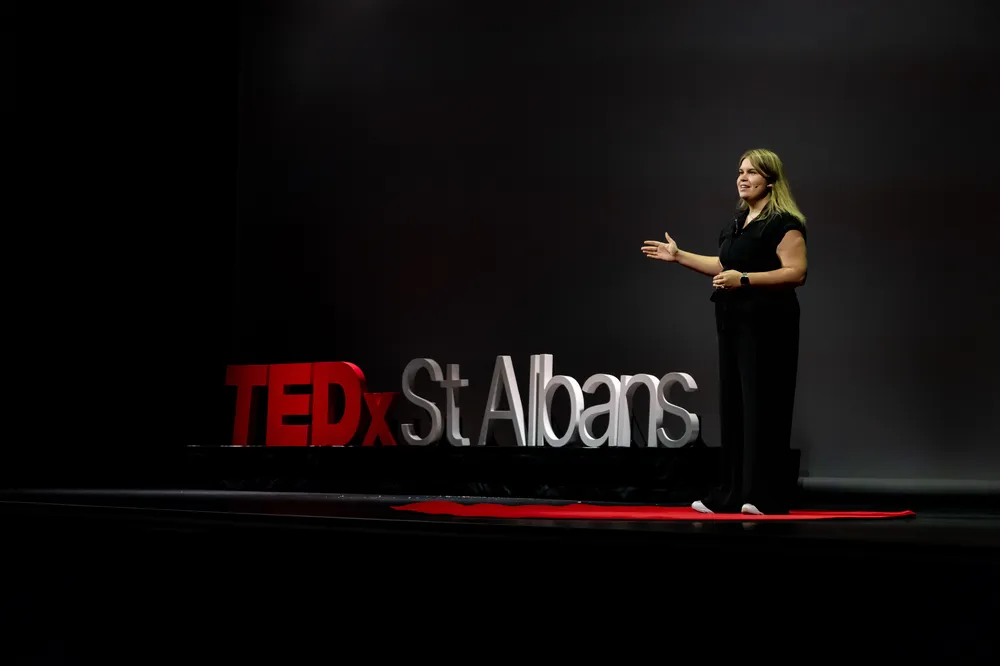
Looking ahead, I am actively translating these insights into my research, training, and development activities in the North of England. I am developing proposals to extend this research and create a unique postgraduate opportunity that brings the learning from the Fellowship and my recent PhD into the UK teaching profession. Alongside this, I will be sharing my learnings through conference contributions across the UK, including the BERA Teaching and Learning Conference in May 2026, creating space for dialogue with educators, researchers, and policymakers.

Dissemination has already begun through public engagement, including a recent appearance on BBC Radio Merseyside. Central to this ongoing work is a continued commitment to re-centring collectivism and relational approaches within systems that often prioritise individual performance over collective care.

Disclaimer

The views and opinions expressed by any Fellow are those of the Fellow and not of the Churchill Fellowship or its partners, which have no responsibility or liability for any part of them.

Related

Blogs & conversations

Following the questions: a Fellow's journey

From an off-the-cuff question as a teacher to lasting change across policy and practice, Sarah Beresford traces how curiosity shaped her Churchill Fellowship and everything that followed. She reflects on learning from other countries, turning insight into action, and how asking the right questions has helped centre children’s voices in the criminal justice system.

By Sarah Beresford,

Blogs & conversations

Supporting adolescent mental health in schools

Through his Churchill Fellowship, Charlie Samuda explored how schools in the USA, Canada, and South Korea are responding to the adolescent mental health crisis. Visiting over 30 organisations and schools, he examined how independent guidance, curriculum design, counselling, and safety systems can help schools support students more effectively. He reflects on what England could learn from these approaches as pressures on schools continue to grow.

By Charlie Samuda,

Blogs & conversations

In Conversation with Sophia Alexandra Hall: Empowering care-experienced voices in the media

We spoke to Churchill Fellow Sophia Alexandra Hall about how her Fellowship helped shape her trauma-informed interviewing toolkit, now used across major UK newsrooms. Drawing on her lived experience and 50 interviews in the USA, she reflects on the need for safer, more empowering media practices for care-experienced and other under-represented people. She also shares how this work has grown through training, conference speaking, and an expanding public platform at Big Issue.

By Sophia Alexandra Hall,

Blogs & conversations

Health, Homelessness, and Hope: Children in Temporary Accommodation

Monica Lakhanpaul’s Fellowship took her to Australia to explore how different systems respond to the health and wellbeing needs of children living in temporary accommodation. Back in the UK, her work has already helped launch the In Their Own Words report in the Scottish Parliament and continues through research, media, and international collaborations. She now hopes to build on this momentum to ensure that children’s voices are heard – and acted upon – in shaping a fairer future.

By Monica Lakhanpaul,

Newsletter Sign Up